Kratom addiction is a growing concern across Charlotte and throughout North Carolina, quietly affecting individuals who may have turned to the substance seeking relief from pain, anxiety, or fatigue. While kratom is often marketed as a “natural” or “safe” alternative to opioids, the reality is more complex, and often dangerous.
At Southeastern Recovery Center in Charlotte, NC, we provide comprehensive, compassionate treatment for kratom addiction. Our programs are designed to help individuals safely detox, understand the root causes of addiction, and build lasting recovery with support from a dedicated clinical team.

Kratom (Mitragyna speciosa) is a tropical tree native to Southeast Asia. Its leaves contain active alkaloids, mainly mitragynine and 7-hydroxymitragynine, which bind to the same opioid receptors in the brain as substances like morphine and fentanyl.
At lower doses, kratom can act as a stimulant, increasing alertness and energy. At higher doses, it can have sedative or euphoric effects. This dual action is part of what makes kratom so unpredictable and addictive.
Because it interacts with opioid pathways, the body can quickly develop tolerance and dependence. Users often need more kratom to achieve the same effect, leading to a cycle of withdrawal and craving similar to traditional opioids.
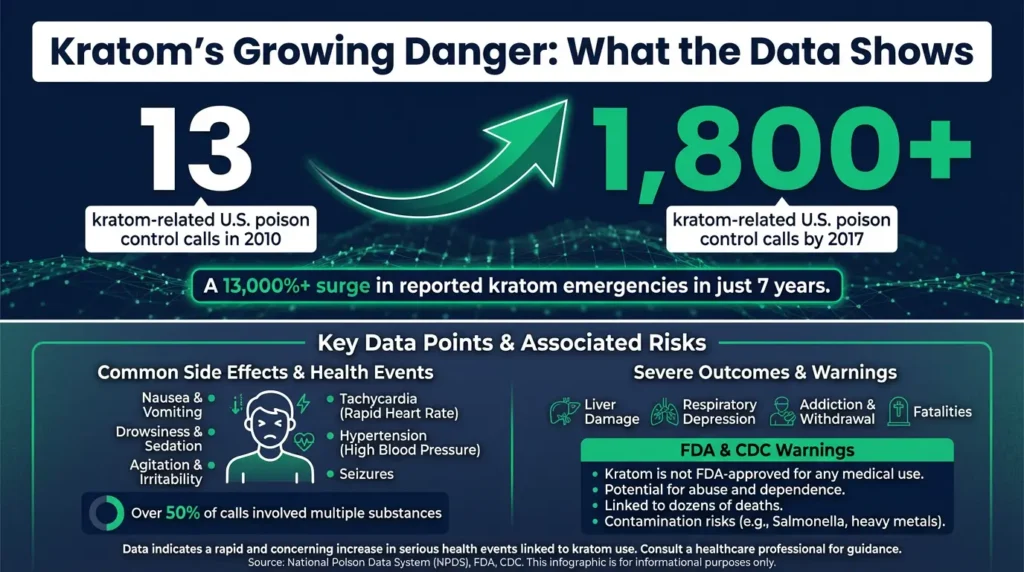
While the public health spotlight has been focused on the opioid epidemic, kratom has emerged as an unregulated but significant problem, especially in North Carolina, where accessibility remains high.
Here’s why this matters locally:
Although kratom is still legal in North Carolina, the state has begun reviewing its regulation. In 2023, lawmakers introduced bills proposing stricter age limits and labeling standards, similar to measures already adopted in neighboring states like Georgia. These steps reflect growing awareness that unregulated kratom use can cause real harm.
If you or someone you love in Charlotte, NC, is struggling with kratom dependence, it’s important to know that help is available and recovery is absolutely possible.
Because kratom acts on the same opioid receptors as morphine and fentanyl, untreated kratom dependence follows a trajectory similar to opioid addiction: escalating doses, withdrawal symptoms on cessation, and a high risk of cross-addiction to stronger opioids when kratom becomes unavailable or insufficient. For Charlotte-area residents, the danger is compounded by the fact that unregulated kratom products are increasingly contaminated with fentanyl and other adulterants. The documented consequences below show why professionally supervised detox and dual-diagnosis care at a facility like Southeastern Recovery Center is the safest path out of kratom dependence.
| What Goes Wrong | The Evidence | Where It Applies |
|---|---|---|
| Kratom binds to opioid receptors, causing tolerance and physical dependence | Active alkaloids mitragynine and 7-hydroxymitragynine bind to mu-opioid receptors; tolerance develops with regular use requiring higher doses [1] | Clinical |
| Kratom use disorder prevalence rises sharply with frequency of use | KUD rate is 12.3% in general users; climbs to 66.7% among daily or near-daily users [2] | National |
| Polysubstance contamination increases overdose risk | Fentanyl was co-involved in 65.1% of kratom-positive overdose deaths; heroin in 32.9%; benzodiazepines in 22.4% [3] | National |
| History of substance misuse compounds risk | 80% of kratom-involved overdose decedents had a prior history of substance misuse [3] | National |
| Kratom deaths with mitragynine as sole cause | FDA data: mitragynine toxicity was the sole cause of death in 40% of analyzed kratom death reports [4] | National |
| NC overdose deaths with co-occurring mental health disorder | 1 in 4 NC overdose decedents had a documented mental health condition [5] | North Carolina |
| Mecklenburg County total overdose ED visits (2019-2024) | 12,313 visits; unregulated substances including kratom contribute to polysubstance complexity [6] | Mecklenburg County |
| Annual substance abuse cost in North Carolina | Greater than $6.8 billion in healthcare, lost productivity, and criminal justice costs [7] | North Carolina |
| SERC kratom treatment approach | Medically supervised detox addressing opioid-like withdrawal, plus CBT, trauma-informed care, dual-diagnosis treatment, family therapy, and holistic wellness [8] | Charlotte/Concord, NC |
Sources [1] NIDA, Kratom: Research Overview – https://nida.nih.gov/research-topics/kratom [2] Weiss et al., Controversies in Assessment, Diagnosis, and Treatment of Kratom Use Disorder (Springer, 2024) – https://link.springer.com/article/10.1007/s11920-024-01524-1 [3] CDC MMWR, Unintentional Drug Overdose Deaths Involving Kratom, 27 States, July 2016 to December 2017 (2019) – https://www.cdc.gov/mmwr/volumes/68/wr/mm6814a2.htm [4] FDA CFSAN, Kratom Related Adverse Event Reports from the FDA CFSAN Adverse Event Reporting System (2021) – https://www.fda.gov/science-research/fda-science-forum/kratom-related-adverse-event-reports-fda-cfsan-adverse-event-reporting-system-caers [5] NC Division of Public Health, North Carolina Overdose Epidemic Data – https://www.dph.ncdhhs.gov/programs/chronic-disease-and-injury/injury-and-violence-prevention-branch/north-carolina-overdose-epidemic-data [6] Mecklenburg County, Unseen Patterns: Overdose Data to Action StoryMap, 2019-2024 – https://storymaps.arcgis.com/stories/ef4734f504ce4a069824cba45a06cfc5 [7] UNC School of Medicine, Costs of Alcohol and Drug Abuse in North Carolina – https://www.med.unc.edu/alcohol/education-prevention/alcoholism-and-alcohol-abuse/costs-of-alcohol-abuse/ [8] Southeastern Recovery Center, Kratom Addiction Treatment, Charlotte NC – https://serecoverycenter.com/
For many people, kratom use begins innocently. Someone might try it to relieve back pain, boost energy, or reduce anxiety. Some even use it to manage withdrawal from prescription opioids. But because kratom affects the same neural pathways as opioids, tolerance builds quickly, and dependence follows.
Once the body adapts to regular use, stopping suddenly can cause withdrawal symptoms. That’s often when people find themselves stuck: taking kratom not to feel good, but just to avoid feeling bad.
In Charlotte and across North Carolina, we’ve seen an increase in clients who began with occasional kratom use and found themselves unable to stop without professional help.
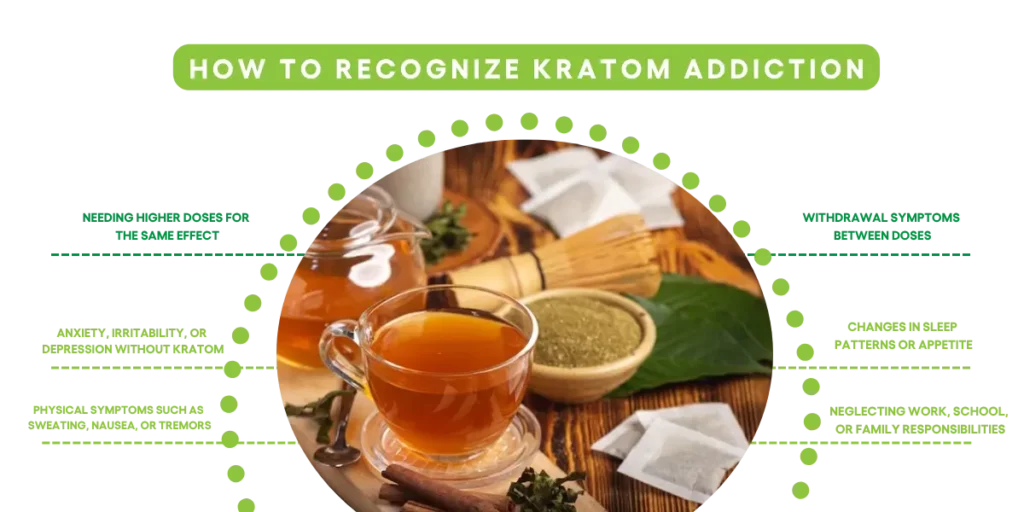
Recognizing the signs of kratom addiction can be difficult, especially since many believe it’s harmless. Here are some common red flags:
If you notice these patterns, in yourself or someone else, it’s time to seek professional support. Southeastern Recovery Center offers medical detox and therapy programs in Charlotte designed specifically for kratom and other emerging addictions.
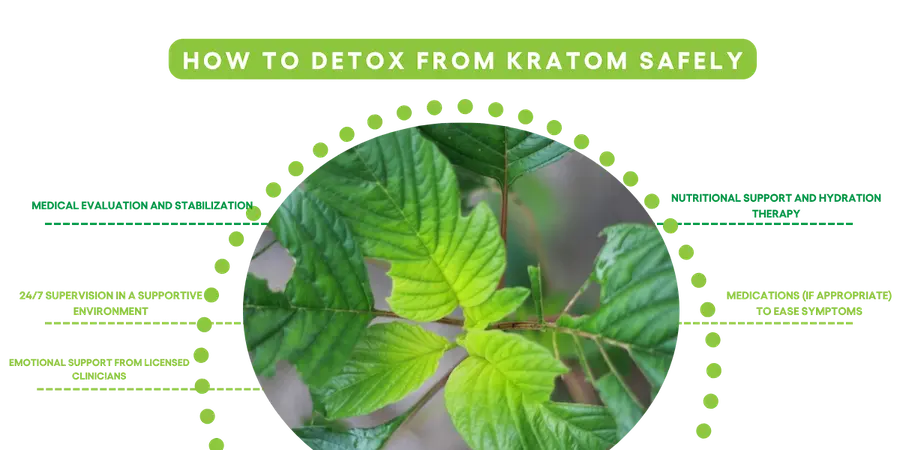
Detoxing from kratom can be uncomfortable, but with the right care, it’s absolutely manageable. Trying to quit “cold turkey” at home often leads to intense withdrawal symptoms such as muscle aches, insomnia, fatigue, and emotional distress, which can quickly trigger relapse.
At Southeastern Recovery Center, our medically supervised detox program helps clients safely and comfortably eliminate kratom from their system. Our medical team provides continuous monitoring, symptom management, and hydration support to minimize discomfort and prevent complications.
By addressing both the physical and psychological sides of detox, we help clients start their recovery on stable ground.
Kratom withdrawal symptoms generally begin 12 to 24 hours after the last dose. Most people experience the worst symptoms between days two and four, with physical effects typically resolving within a week.
However, emotional and psychological symptoms, such as anxiety, depression, or cravings, can persist longer. That’s why detox alone isn’t enough. Comprehensive treatment following detox is critical to prevent relapse and support long-term healing.
At our Charlotte facility, clients receive continued support through therapy, counseling, and relapse prevention programs as soon as detox is complete.

At Southeastern Recovery Center, our approach to kratom addiction treatment is both scientific and compassionate. We understand that addiction doesn’t happen in isolation, it’s influenced by mental health, trauma, lifestyle, and environment.
Our treatment programs include:
Each treatment plan is personalized, ensuring that every client receives the care that fits their needs, goals, and pace.
Kratom occupies a regulatory grey zone in North Carolina where it remains legal but largely untracked, meaning its true toll on public health in Charlotte and Mecklenburg County is almost certainly undercounted. Nationally, an estimated 1.7 million Americans aged 12 and older used kratom in 2021, and poison control centers recorded a tenfold increase in kratom exposure calls in just five years. The data below captures what is known about kratom use and its harms at the national, state, and local level.
| Crisis Indicator | What the Data Shows | Geographic Scope |
|---|---|---|
| Estimated US kratom users aged 12+ (2021) | Approximately 1.7 million people (0.6% of US population) [1] | National |
| US kratom users estimated range (various surveys) | Between 2 and 5 million regular users across multiple national estimates [2] | National |
| Kratom exposure calls to US poison control centers | Increased tenfold from 26 in 2010 to 263 in 2015; reached 1,807 total calls between 2011 and 2017 [3] | National |
| Kratom-positive overdose deaths (July 2016 to Dec 2017) | 152 deaths tested positive for kratom; 91 (59.9%) had kratom listed as a contributing cause [4] | National (27 states) |
| Polysubstance involvement in kratom deaths | Over 95% of kratom-positive deaths also involved other substances; fentanyl was co-involved in 65.1% of cases [4] | National |
| FDA adverse event reports involving kratom (2021) | 75 adverse event reports; 20 deaths (27%) and 20 hospitalizations (27%) recorded [5] | National |
| Kratom users meeting criteria for kratom use disorder | 12.3% in general user surveys (2017); rises to 66.7% among daily or near-daily users [6] | National |
| Mecklenburg County overdose deaths (2023) | 356 deaths; rise driven partly by fentanyl mixed into unregulated substances including kratom products [7] | Mecklenburg County |
Sources [1] FDA, FDA and Kratom – https://www.fda.gov/news-events/public-health-focus/fda-and-kratom [2] Palamar et al., Kratom Use Categories and Their Associations With Co-occurring Substance Use (Science Direct, 2022) – https://www.sciencedirect.com/science/article/abs/pii/S0376871622003428 [3] Henningfield et al., Kratom Exposures Reported to United States Poison Control Centers: 2011-2017 (Clinical Toxicology, 2019) – https://pubmed.ncbi.nlm.nih.gov/30786220/ [4] CDC MMWR, Unintentional Drug Overdose Deaths Involving Kratom, 27 States, July 2016 to December 2017 (2019) – https://www.cdc.gov/mmwr/volumes/68/wr/mm6814a2.htm [5] FDA CFSAN, Kratom Related Adverse Event Reports from the FDA CFSAN Adverse Event Reporting System (2021) – https://www.fda.gov/science-research/fda-science-forum/kratom-related-adverse-event-reports-fda-cfsan-adverse-event-reporting-system-caers [6] Weiss et al., Controversies in Assessment, Diagnosis, and Treatment of Kratom Use Disorder (Springer, 2024) – https://link.springer.com/article/10.1007/s11920-024-01524-1 [7] Mecklenburg County Public Health, 200% Rise in Overdose Deaths Among Black and Hispanic Residents – https://news.mecknc.gov/mecklenburg-county-reports-200-rise-overdose-deaths-among-black-and-hispanic-residents
Addiction impacts the entire family, and family support can play a significant role in recovery success.
Families in Charlotte and throughout North Carolina can help by:
At Southeastern Recovery Center, we provide family programs that help loved ones rebuild trust, improve communication, and create a shared understanding of recovery.
Recovery doesn’t end when treatment does, maintaining sobriety requires ongoing support and structure.
Our relapse prevention planning helps clients in Charlotte and across North Carolina stay grounded through:
Relapse is not failure, it’s a signal that additional support may be needed. With the right guidance, long-term recovery from kratom addiction is absolutely achievable.

Finding the right treatment center in Charlotte, NC, or elsewhere in North Carolina, can feel overwhelming. Here are key factors to look for:
At Southeastern Recovery Center, we meet all of these criteria and more. Our focus on integrity, compassion, and clinical excellence has made us one of North Carolina’s most trusted recovery providers.
Kratom addiction is uniquely difficult to treat because it sits at the intersection of opioid dependence and unregulated supplement use, meaning most standard treatment pathways were not designed with kratom users in mind. There are no FDA-approved medications specifically for kratom use disorder, and because kratom is not tracked the same way as scheduled substances, the true treatment gap in North Carolina is impossible to precisely measure. What is clear is that the majority of kratom-dependent individuals in Charlotte and across NC are managing their dependence without any clinical support.
| The Gap | How Wide the Gap Is | Scope |
|---|---|---|
| Adults familiar with kratom as a substance (2023) | Only 19% of US adults were familiar with kratom; awareness gaps delay help-seeking [1] | National |
| FDA-approved medications for kratom use disorder | Zero; buprenorphine is sometimes used off-label but no pharmacotherapy is formally approved [2] | National |
| Kratom users who meet KUD criteria but receive no formal treatment | 25.5% of kratom users met KUD criteria in a 2023 survey; treatment pathways remain undefined for most [2] | National |
| Adults with co-occurring mental illness and SUD who received neither treatment (2024) | 41.2% of the 21.2 million with dual diagnosis received no treatment of any kind [3] | National |
| NC counties designated as mental health shortage areas | 94 of 100 counties lack adequate behavioral health providers [4] | North Carolina |
| Kratom use disorder patients with history of substance misuse | Approximately 80% of kratom-involved overdose decedents had a recorded history of substance misuse [5] | National |
| Kratom-positive deaths with no evidence of medically supervised treatment | Approximately 90% had no evidence of currently receiving medically supervised treatment [5] | National |
Sources [1] American Psychiatric Association, What Is Kratom and Why Is It Raising Concerns? (2023) – https://www.psychiatry.org/news-room/apa-blogs/what-is-kratom-and-why-is-raising-concerns [2] Weiss et al., Controversies in Assessment, Diagnosis, and Treatment of Kratom Use Disorder (Springer, 2024) – https://link.springer.com/article/10.1007/s11920-024-01524-1 [3] SAMHSA, Co-Occurring Disorders and Other Health Conditions, 2024 NSDUH Data – https://www.samhsa.gov/substance-use/treatment/co-occurring-disorders [4] NCIOM, Confronting North Carolina’s Behavioral Health Crisis: Access to Behavioral Health Issue Brief, 2025 – https://nciom.org/wp-content/uploads/2025/09/Access-to-behavioral-health-issue-brief-download.pdf [5] CDC MMWR, Unintentional Drug Overdose Deaths Involving Kratom, 27 States, July 2016 to December 2017 (2019) – https://www.cdc.gov/mmwr/volumes/68/wr/mm6814a2.htm
Yes, kratom is currently legal in North Carolina, but lawmakers are considering regulations to address safety and misuse concerns.
Yes. Kratom withdrawal may include muscle aches, irritability, anxiety, insomnia, and cravings, similar to mild opioid withdrawal.
Kratom can remain in the body for several days depending on dosage, metabolism, and frequency of use.
While not always required, medical detox is strongly recommended for comfort and safety, as withdrawal can be unpredictable.
Therapies like CBT, Motivational Interviewing, and trauma-informed care are most effective for treating kratom addiction and related mental health issues.
Most major insurance plans cover treatment for kratom and other substance use disorders. Our admissions team can verify your benefits quickly and confidentially.
We combine medical expertise, individualized care, and compassion, offering detox, therapy, and aftercare under one roof in Charlotte, NC.
Kratom is not a traditional opioid, but it acts on the brain’s opioid receptors in ways that closely parallel how opioids work, which is why kratom addiction, kratom withdrawal, and kratom dependency respond similarly to opioid use disorder in clinical treatment.
Kratom’s two primary active compounds, mitragynine and 7-hydroxymitragynine (7-OH), are partial agonists at the mu-opioid receptor, which is the same receptor activated by heroin, oxycodone, and fentanyl. At low doses, kratom produces stimulant-like effects: increased energy, alertness, and reduced fatigue. At higher doses, it produces opioid-like effects: pain relief, sedation, and euphoria. With regular use, the brain responds to kratom the same way it responds to traditional opioids: it reduces its own natural opioid signaling to compensate for the external stimulation. When kratom is removed, the deficit becomes apparent as withdrawal. This opioid receptor mechanism also explains why:
Kratom’s legal status, natural plant origin, and over-the-counter availability do not change its neurological mechanism. At Southeastern Recovery Center, kratom addiction is assessed and treated using the same evidence-based clinical framework applied to opioid use disorder.
Yes. Kratom overdose is documented, and the risk is significantly higher than most kratom users realize, particularly as concentrated kratom products and contaminated supply have become more prevalent.
At moderate doses, kratom’s most serious acute risks include seizures, respiratory depression, elevated heart rate, and loss of consciousness. Overdose deaths attributed to kratom have been reported in the medical literature and coroner records, though in many cases, other substances, including opioids, were also present. The escalating availability of high-potency kratom products has changed the overdose landscape meaningfully. The factors that increase kratom overdose risk include:
If you or someone you know is unresponsive, breathing abnormally, or has lost consciousness after using kratom, treat it as a medical emergency. Call 911 immediately. Naloxone (Narcan) may be effective if fentanyl contamination is suspected.
7-hydroxymitragynine, commonly abbreviated as 7-OH, is a naturally occurring compound in kratom that is significantly more potent than kratom’s primary alkaloid, mitragynine. It is also the compound increasingly being isolated, concentrated, and sold in the gas-station and smoke-shop kratom products that have flooded the North Carolina market.
In traditional kratom leaf powder, 7-OH is present in small amounts… typically less than 2% of total alkaloid content. In kratom extracts, shots, gummies, and enhanced products, 7-OH is artificially concentrated to levels that are orders of magnitude higher. The result is a product that behaves far more like a potent synthetic opioid than a botanical supplement, with correspondingly higher risks of dependence, tolerance escalation, and overdose. Several important facts about 7-OH kratom products:
At Southeastern Recovery Center, our clinical intake includes a detailed assessment of the specific kratom products you have been using because the difference between traditional powder and concentrated 7-OH matters significantly for how we structure your detox and treatment plan.
Kratom-induced liver injury is a documented medical condition, not a theoretical risk, and it is one of the more serious physical health consequences associated with regular kratom use.
Kratom hepatotoxicity has been reported in peer-reviewed medical literature and tracked by the LiverTox database maintained by the National Institutes of Health. The clinical presentation typically resembles cholestatic hepatitis, meaning the liver’s ability to process and excrete bile is disrupted. It produces jaundice, dark urine, fatigue, abdominal pain, and elevated liver enzymes. Cases range in severity from mild, reversible enzyme elevation to acute liver failure requiring hospitalization. Several factors appear to increase the risk:
The encouraging finding in the research literature is that most cases of kratom-induced liver injury resolve with kratom cessation and supportive care though severe cases have required hospitalization and, in rare instances, liver transplant evaluation. If you are experiencing jaundice, significant fatigue, abdominal discomfort, or dark urine and have been using kratom regularly, these are symptoms that warrant medical evaluation promptly. At Southeastern Recovery Center, lab work including liver function panels is part of our clinical intake for clients with significant kratom use histories.
Not necessarily, but the line between using kratom as a coping strategy and developing a kratom use disorder is often blurry, and the intentions behind starting kratom use do not determine whether dependency has developed.
Many people begin using kratom with legitimate and understandable reasons: managing chronic pain without a prescription, reducing opioid withdrawal symptoms, addressing anxiety, or avoiding a return to harder drug use. These are not disqualifying circumstances, and they do not make someone a different kind of patient. What matters clinically is what kratom use looks like now… not how it started. Signs that kratom use may have crossed from self-managed coping into a clinical use disorder include:
If you started kratom as a bridge away from opioids, it is important to understand that kratom activates the same opioid receptors as the substances you were trying to leave behind. The brain does not distinguish between a natural alkaloid and a pharmaceutical opioid at the receptor level. This does not mean treatment was wrong to attempt, it means the next step is supervised, structured support to address the underlying dependency. At Southeastern Recovery Center, we treat kratom use disorder without judgment about how it started, because what matters most is building a path forward.
Kratom does not appear on standard 5-panel or 10-panel drug screens. The tests used by most employers, courts, and treatment programs. However, the assumption that kratom is undetectable is not entirely accurate, and it is becoming less reliable as testing technology expands.
Standard drug panels test for specific drug classes: opiates, amphetamines, cocaine, cannabinoids, and benzodiazepines. Mitragynine and 7-hydroxymitragynine (the active compounds in kratom) are not included in these standard panels and will not trigger a positive result for opioids. However, several important caveats apply:
If you are concerned about drug testing in a specific professional, legal, or treatment context, that conversation is best had directly with your provider. Southeastern Recovery Center treats all information shared during the intake and assessment process as confidential.
The difficulty of quitting kratom is not a matter of willpower… it is a neurological consequence of how kratom interacts with the opioid and dopamine systems in the brain over time.
With regular kratom use, the brain reduces its own natural production of endogenous opioids and dopamine to compensate for the consistent external stimulation at opioid receptors. When kratom is removed, the brain is temporarily unable to produce adequate amounts of the neurochemicals responsible for mood regulation, pain tolerance, motivation, and sleep, producing the physical and emotional withdrawal experience that makes stopping so difficult. Beyond the acute withdrawal phase, the deeper challenge is neurological: the reward system has adapted to expect kratom as a source of dopamine stimulation, and without it, normal activities feel flat, joyless, and inadequate by comparison. This condition, anhedonia, is one of the most underrecognized and clinically significant barriers to kratom recovery. It resolves over time with abstinence, but the timeline is weeks to months, not days. Attempting to quit kratom cold turkey compounds this challenge significantly. Research consistently shows that abrupt cessation carries a much higher failure rate than a supervised taper — because the discomfort of sudden full withdrawal, combined with anhedonia and unmanaged cravings, produces conditions in which returning to kratom feels like the only option. At Southeastern Recovery Center, kratom withdrawal is managed through a clinically supervised approach that addresses both the physical symptoms and the underlying neurological disruption so that stopping feels like something you can sustain, not just something you attempt.
Getting started does not require a referral, a prior treatment history, or certainty that you are ready — it requires only a phone call or a contact form submission.
At Southeastern Recovery Center, the admissions process is designed to be as straightforward and low-barrier as possible, because we understand that the window in which someone is willing to ask for help is often narrow. Here is what the process looks like:
Recovery from kratom addiction is possible — and it is significantly more achievable with structured clinical support than without it. The first step is the call.
From your first phone call to the day you graduate from treatment, our team provides step-by-step support.
Our mission is simple: to provide the highest level of care possible so that every client leaves stronger, healthier, and ready to thrive.
At Southeastern Recovery Center, we believe recovery is more than sobriety, it’s rebuilding life with purpose and clarity. Our Charlotte-based facility provides a safe, welcoming space where clients can focus fully on healing.
We serve individuals from Charlotte, Concord, Gastonia, Huntersville, and throughout North Carolina who are seeking trusted, compassionate care for kratom addiction and other substance use disorders.
Our experienced team, state-of-the-art facility, and commitment to personalized care make us a leading choice for those seeking freedom from kratom addiction in North Carolina.
If you or a loved are struggling with kratom addiction, please reach out to our team today. Many treatment centers take a one-size-fits-all approach when treating addiction which isn't effective...At SERC, we understand that each client has their own story which led them to seeking help. We put emphasis on individualized care, tailoring treatment based on the specific needs of each client.

Reach Out For Help! ⮕

Create A Recovery Plan! ⮕

Begin The Healing Process! ⮕
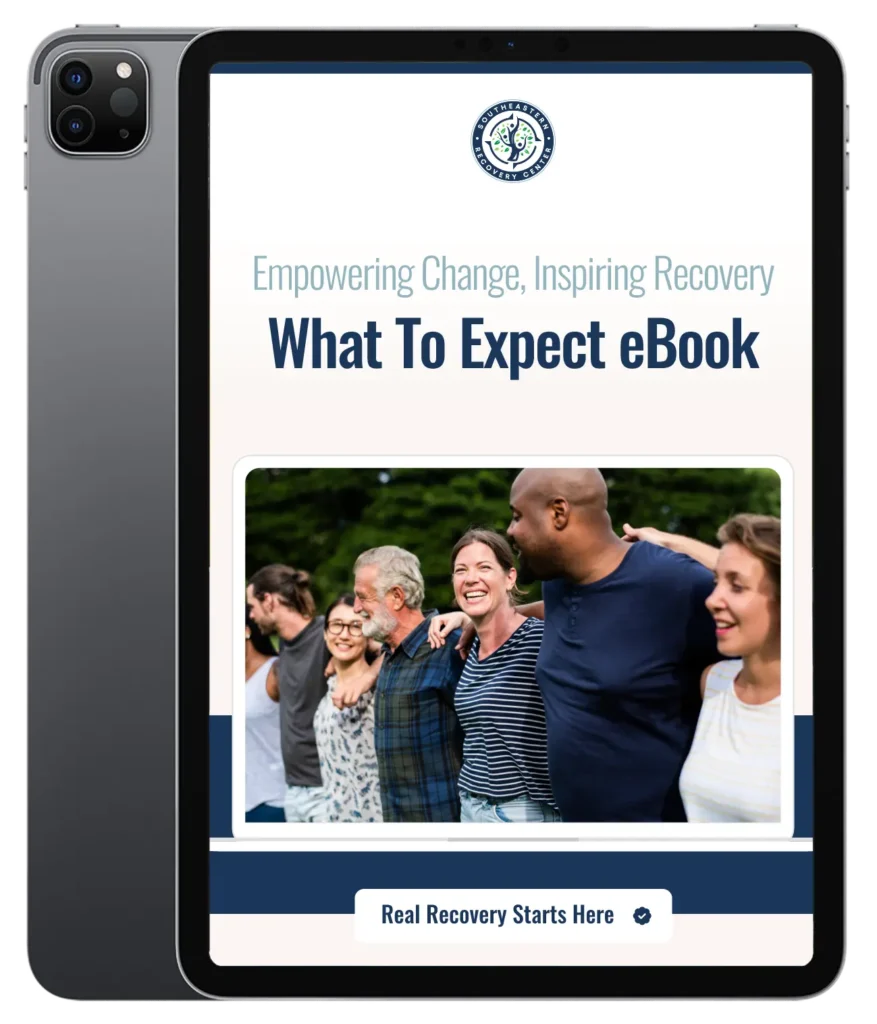
If you or a loved one are interested in learning more about what to expect when getting help for drug or alcohol addiction, please fill out our brief form and download the eBook. You can also give our admissions team a call & we would be happy to answer any questions you may have. Help is only a call away!
![Southeast (2) [Recovered]-07 2](https://serecoverycenter.com/wp-content/uploads/2023/08/Southeast-2-Recovered-07-2.webp "Southeast (2) [Recovered]-07 2")